Tata Nano EV : Remember the little car that promised to put India on wheels? Yeah, the Tata Nano—the one Ratan Tata dreamed up as the world’s cheapest ride back in 2008.
It flopped hard due to safety scares, fires, and folks shying away from its “poor man’s car” vibe, but whispers of its electric comeback have been buzzing louder lately.
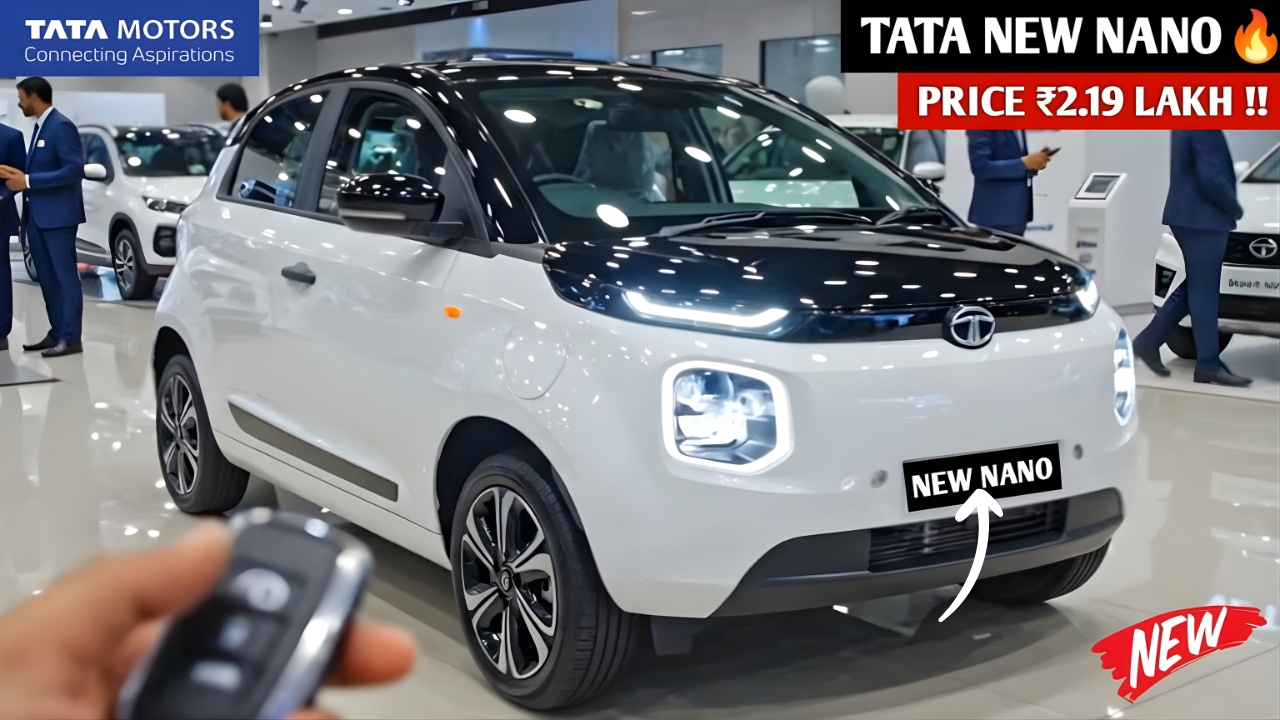
Now, in 2026, with India’s EV push hitting full throttle, Tata Motors seems poised to resurrect the Nano as an electric hatchback.
Recent industry chatter points to a possible launch around mid-year, blending nostalgia with green tech to snag budget buyers tired of petrol pumps.
Reviving a Legend for Electric Times
The original Nano sold under 1 lakh units yearly against expectations of millions, thanks to no airbags, shaky build quality, and positioning woes that screamed “cheap” instead of “smart.”
Fast-forward to today: Tata’s EV lineup—Tigors, Nexons, Punch—dominates, but the mass market craves something under ₹5 lakh.
Enter Nano EV, rumored to slot in at ₹5-7 lakh ex-showroom, making it cheaper than most two-wheelers on steroids.
This isn’t just a rehash; it’s a fresh platform with lessons learned. Think compact 3-meter body for zipping through Mumbai traffic, but beefed up for real-world crashes.
Also Read: Yamaha RX100 Reborn to change the time of Superbikes, 87 Kmpl mileage with 250cc engine
Tata’s already tested Nano-based EVs like the Jayem Neo for fleets, hitting 140-200 km ranges quietly. If launched, it’d ride government subsidies and FAME incentives, dropping on-road prices even lower for first-time car owners.
Powertrain That Packs City Punch
Picture this: a 15-20 kWh lithium-ion battery tucked under the floor, lowering the center of gravity for better stability—no more tippy Nano jokes.
Expect 150-250 km real-world range on a charge, perfect for daily 50-km commutes without range anxiety. Power? Around 35-45 hp from a front-wheel electric motor, with instant torque for effortless merges and 80-100 kmph top speeds—enough to outpace autos, not chase Ferraris.
Charging’s a breeze: 6-8 hours on a home AC socket, or 60 minutes to 80% on DC fast chargers popping up everywhere. Regenerative braking recaptures energy during stops, stretching that range further in stop-go chaos.
It’s single-speed automatic, so no clutch drama for newbies. Early prototypes hint at zippy acceleration, 0-60 kmph in under 10 seconds, turning gridlock into a breeze.
Design Tweaks for Modern Eyes
Gone’s the boxy barebones look; expect sleeker lines with LED headlights, aerodynamic bumpers, and 12-inch alloys on higher trims.
Also Read: Vivo V29 5G curved amoled display smartphone, 12GB RAM, 80W fast charging adaptable
Inside, four proper seats with decent legroom for adults, a flat floor from the battery, and ventilated fronts to beat Indian summers.
Digital cluster shows range, efficiency, and navigation at a glance; top variants get a 7-inch touchscreen with Android Auto, Apple CarPlay, and voice commands.
It’s still tiny—under 3.2 meters long—for parking in a postcard, but taller “tall-boy” stance aids visibility. Colors? Vibrant pops like Electric Blue or Solar Yellow to stand out. Boot space? Modest 200 liters, expandable by folding rears, ideal for groceries or weekend bags.
Safety Gets a Serious Upgrade
The old Nano’s Achilles heel? Zero stars in crash lore. This EV flips the script: dual front airbags standard, ABS with EBD, rear sensors, and seatbelt reminders across the board.
Reinforced chassis absorbs impacts better, IP67 battery laughs at water potholes, and stability control keeps it planted in corners.
ISOFIX anchors for kids, TPMS to avoid flats, and a 360-camera on premiums round it out. No more fire fears—thermal management cuts overheating risks. It’s not a tank, but for city speeds, it’ll feel worlds safer than its petrol ancestor.
Facing Off Against EV Rivals
In the sub-₹10 lakh ring, Nano EV eyes MG Comet (₹7-9 lakh, 230 km range), Tata Tiago EV (₹8 lakh up, 300 km), and micro-mobs like Strom R3.
Also Read: In pochi lo sanno : il motivo per cui i tappeti del bagno non vanno mai lavati insieme ai vestiti
Nano undercuts them on price while matching city creds, but Tiago edges in range and service net. Maruti’s petrol Alto K10 lurks for ICE holdouts.
Its ace? Tata’s 1,000+ dealers nationwide, plus cheap ₹1/km running costs versus ₹5-7 for petrol minis. For two-wheeler upgraders (80% of India), it’s a family leap without breaking banks.
Why Tata Nano EV Could Actually Win This Time
India’s EV sales hit 2 million last year, but affordability stalls mass shift. Nano EV nails that: low buy-in, negligible maintenance, zero emissions for cleaner air in Delhi chokes. Urban millennials want green without greenwashing; fleets love fleet-ready packs.
Tata’s betting big—rumors say production ramps at Sanand by Diwali 2026. Bookings might open post-April reveal, with 50,000 units year one. Critics doubt revival hype, but with Ratan Tata’s legacy and EV mandates, it feels destined.
Also Read this – Toyota Electric Cycle 550W powerful motor, Range is 250KM, price is very low
Skeptics say wait for official word—Tata denies specifics—but spy shots and patents fuel fire. If it delivers 200 km, safety ticks, and that unbeatable price, Nano EV won’t just return; it’ll redefine “people’s car” for the battery age. India’s roads might finally get their electric fairy tale.